Urban Infrastructure Development Using Non Woven Geotextile in Sarojini Nagar, Delhi
Introduction
Urban redevelopment projects often involve complex engineering challenges due to limited construction space, variable soil conditions, and the need to support long-term infrastructure performance. In such environments, geosynthetics play a crucial role in stabilizing soil layers, improving drainage performance, and ensuring structural longevity.
One of the most widely used geosynthetic materials in urban construction is non woven geotextile, which provides filtration, separation, and reinforcement functions within pavement systems and foundation layers.
This case study examines the use of Ocean Non Woven Geotextile 150 GSM (Polyester) in the NBCC Sarojini Nagar Redevelopment Project in Delhi, where geotextiles were deployed to enhance soil stability and drainage efficiency within a large-scale urban infrastructure development.
Table of Contents
Project Overview
Project Name: NBCC Sarojini Nagar Redevelopment
Location: Sarojini Nagar, Delhi
Product Supplied: Ocean Non Woven Geotextile 150 GSM (Polyester)
Quantity Used: 36,000 SQM
The redevelopment project required a reliable separation and filtration layer within the pavement and foundation systems to improve soil performance and prevent long-term structural deterioration.
Role of Non Woven Geotextiles in Civil Engineering
Non woven geotextiles are engineered fabrics designed to perform multiple functions within infrastructure systems. These materials allow water to pass through while preventing soil particles from migrating between layers.
In urban infrastructure projects, non woven geotextiles are commonly used for:
- Road and pavement construction
- Railway track support
- Drainage filtration systems
- Foundation stabilization
- Landfill protection layers
By preventing soil intermixing and maintaining drainage efficiency, geotextiles significantly improve the performance of civil infrastructure systems.
According to the International Geosynthetics Society, geotextiles can increase pavement life by improving load distribution and preventing subgrade weakening caused by water infiltration.
Geosynthetics in Infrastructure Applications
Geosynthetics have become an essential component of modern infrastructure development.
Their key applications include:
- Pavement reinforcement- Geotextiles and geogrids distribute traffic loads and reduce pavement deformation.
- Soil stabilization- Geosynthetics improve the load-bearing capacity of weak soil layers.
- Erosion control- Geotextile fabrics prevent soil erosion on slopes and embankments.
- Drainage improvement- Geotextiles allow water to pass through while retaining soil particles.
- Environmental protection- Geomembranes and geotextiles protect groundwater and soil from contamination.
The Indian Roads Congress (IRC SP 59) recommends geotextiles in road construction to improve pavement durability and reduce maintenance costs.
Site Challenges in Urban Construction
Urban redevelopment projects like Sarojini Nagar present several engineering challenges.
Limited working space often restricts heavy equipment movement, making efficient material placement essential.
In addition, urban soils frequently consist of mixed fill material with varying strength characteristics. Without proper separation layers, aggregates used in pavement construction can mix with underlying soil, reducing load-bearing capacity.
These challenges become more significant during monsoon seasons when water infiltration can weaken the subgrade.
Geotextiles help address these issues by creating a stable interface between soil and aggregate layers while maintaining drainage efficiency.
Installation and Quality Control
Successful geotextile installation requires careful preparation and quality control measures.
Key installation steps include:
- Preparing a smooth and compacted subgrade surface
- Rolling out the geotextile fabric without wrinkles
- Ensuring proper overlap between adjacent sheets
- Protecting the fabric from damage during aggregate placement
Quality control inspections verify that the geotextile remains properly positioned and undamaged before subsequent construction layers are placed.
Long-Term Performance and Durability
Polyester non woven geotextiles are known for their durability and resistance to environmental degradation.
These materials offer:
- High tensile strength
- Resistance to biological degradation
- Long-term filtration stability
Laboratory studies indicate that geotextiles can maintain their filtration performance for several decades under normal operating conditions.
Maintenance and Lifecycle Benefits
Infrastructure systems that incorporate geotextiles often experience lower maintenance requirements.
Key lifecycle benefits include:
- Reduced pavement rutting and cracking
- Improved drainage efficiency
- Lower repair and rehabilitation costs
By maintaining soil separation and filtration functions, geotextiles help extend the service life of infrastructure systems.
Conclusion
The NBCC Sarojini Nagar redevelopment project demonstrates how non woven geotextiles contribute to the stability and durability of modern urban infrastructure systems. By improving soil separation, drainage performance, and load distribution, geotextiles play an essential role in supporting long-term infrastructure reliability. Ocean Non Wovens continues to supply high-performance geosynthetic materials for major infrastructure projects across India. With strong manufacturing capability and deep expertise in geosynthetics applications, the company supports contractors, engineers, and developers in delivering durable and efficient infrastructure solutions.
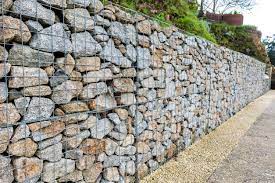 What are Gabion Walls? – Application, Advantages & Disadvantages
 Enhancing Road Infrastructure in Yadgir, Karnataka with Ocean LDPE Liner – 300 Micron
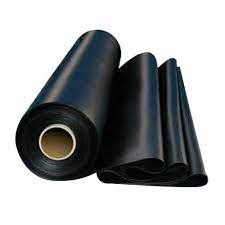 HDPE Geomembrane-Reservoir Dam projects at Telangana 62825 sq mtr