Top 5 PVC GeoPipes Benefits, Work And Uses
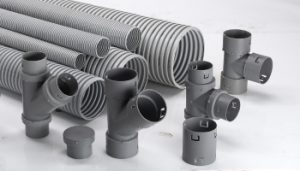
Geo pipes are plastic pipes buried in the ground for drainage and sewage. They are made of PVC or high-density polyethylene (HDPE), either smooth-walled or corrugated. Solid pipes carry water and wastewater through underground networks; perforated pipes collect groundwater from the soil around them.
PVC GeoPipes are widely used for underground drainage and irrigation, largely because they are light and quick to lay.
The right pipe depends on the job: solid or perforated, PVC or HDPE, and the diameter and stiffness class needed for the burial depth and load. Ocean Global supplies geo pipes and can help match the pipe to the application.
Table of Contents

What Are The Benefits Of PVC GeoPipes?
Geo pipes are well suited to wastewater and subsurface drainage. Their main benefits are:
- Durability: PVC does not rust or corrode, so buried PVC geo pipes do not lose wall thickness the way steel and iron pipes do in wet or aggressive soil.
- Flexibility: Corrugated geo pipes in particular can follow gentle curves, and all plastic pipes are light, which makes them easier to handle and lay around obstacles on difficult terrain.
- Cost-effective: For small and medium diameters, geo pipes usually cost less to buy, transport and lay than metal or concrete pipes for underground drainage and irrigation.
- Chemical resistance: PVC resists a wide range of acids, alkalis and salts, which suits sewage and wastewater lines where those are present.
- Easy installation: Geo pipes can be cut to length on site and jointed by hand, and their low weight means smaller crews and less lifting equipment.
How Do The PVC Geo Pipes Work?
PVC geo pipes collect water or other fluids and carry them from one place to another. In underground drainage and irrigation systems they stop water collecting in low-lying areas and farmland.
For drainage, the pipe wall is perforated with slots or holes so groundwater can enter. The pipe is laid in a trench of clean gravel, and the gravel (or the pipe itself) is wrapped in a geotextile filter so soil particles cannot wash in and clog it. The water then flows along the pipe, laid to a fall, to an outlet, storage tank or treatment point where it can be discharged or reused.
Corrugated pipes can be laid along gentle curves without fittings, which helps on uneven ground, and all geo pipes can be cut to size on site.
What Are The Uses Of The PVC GeoPipes?
The most common uses of geo pipes are:
- Drainage: Subsurface drains behind retaining walls, under roads and sports fields, and in waterlogged farmland, to keep water from damaging crops, buildings and other structures.
- Irrigation: Carrying water from wells, canals and ponds to fields.
- Sewage: Carrying wastewater and other effluents away from populated areas for treatment and disposal.
- Flood control: Draining excess water from low-lying areas to storage tanks, ponds or outfalls.
- Stormwater management: Collecting rainwater runoff from roofs, paved areas and roads before it damages buildings and infrastructure. In landfills, perforated pipes also collect leachate and gas.
Get In Touch With Ocean Global For PVC GeoPipes
Ocean Global supplies PVC geo pipes in India for sewage, wastewater drainage, subsurface drainage and irrigation, along with the geotextiles used to wrap drainage pipes. The company has been in the geosynthetics business for more than 25 years. Contact us with your pipe diameter, length and application for a quote.
Frequently Asked Questions (FAQ)
Which type of PVC pipe is best?
Pipes, fittings, sewage and underground drainage are all commonly made from PVC-U, which is the most common type for drinking water and soil transport.
Which is stronger PVC and CPVC?
CPVC handles heat better. PVC is rated to about 140°F (60°C), while CPVC can be used up to about 200°F (93°C), which is why CPVC is used for hot-water lines. At normal temperatures the two have similar strength, and PVC is cheaper for cold-water, drainage and sewage use.
What is a geo pipe?
A geopipe is a solid-walled or perforated plastic pipe buried in the ground to drain liquids and gases, including leachate and gas collection in landfills. Perforated geopipes are often wrapped in a geotextile filter.
Is geo pipe good for home?
Yes, geo pipes are good for home drainage systems and are used easily like other drainage pipes.
What is the safest water pipe?
Copper, CPVC and PVC-U pipes made for potable water are all considered safe for drinking water. In India, check that PVC-U water pipes conform to IS 4985 and CPVC pipes to IS 15778.

source on Google
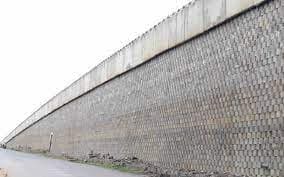 Geosynthetic Reinforced Soil Walls
 Enhancing Oil & Gas Infrastructure with Ocean Tensar Geogrid SS-40 in Begusarai, Bihar
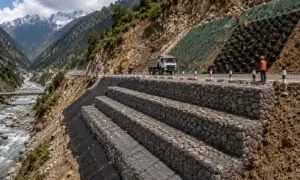 Geotextiles and Gabions for Landslide Prevention in the Char Dham Highway