Football Project: How Ocean Non Wovens’ 120 GSM Nonwoven Geotextile Delivered a Durable, Drainage-Ready Field in Mumbai
Project snapshot
- Client: Municipal sports authority (name withheld)
- Location: Mumbai, Maharashtra
- Product supplied: Ocean Non Woven Geotextile – 120 GSM
- Quantity used: 1,200 sqm
- Scope: Sub-base separation, filtration layer under gravel/sand drainage assembly, protection of drainage geocomposites, and long-term field performance support
Why geotextile matters on a football field
A well-built football field is more than grass and soil. Sub-surface layers control drainage, prevent mixing of fines into the aggregate base, and protect drainage elements from clogging. Nonwoven geotextiles are typically chosen for their permeability and filtration ability, making them a standard material in both natural and hybrid turf systems. Using the right geotextile at the right weight helps retain playability during heavy rains and extends the life of the surface.
Site conditions and design drivers (Mumbai context)
Mumbai’s climate presents a clear design driver: heavy monsoon rainfall concentrated over a few months. Mean annual precipitation across the city is commonly reported around 2,200 to 2,800 mm, with intense short-duration events that can overwhelm poor drainage. For this Football Project we designed the sub-base and drainage to handle high-intensity storms and frequent wet-weather play. That meant prioritizing high-permeability filtration layers, reliable separation, and robust drainage conveyance.
Why we chose Ocean Non Woven Geotextile – 120 GSM
Key reasons this specific product was selected:
- Filtration and drainage compatibility – nonwoven construction lets water pass while holding back fines, protecting gravel and pipe drains from clogging.
- Comfortable handling and installation – 120 GSM is light enough for hand-laying over 1,200 sqm in constrained urban sites while still providing the intended function. Practical handling reduces installation time and risk of wrinkles or folds that compromise performance.
- Versatile function – used here as a separator between subgrade and aggregate, and as a protection/filtration layer above drainage geocomposites or perforated pipes. This multi-functionality reduces the number of materials on site.
How Ocean Non Wovens was installed on the Football Project
The installation sequence and attention to small details are what make the difference between good performance and early failure.
- Site preparation and geotechnical checks
- We reviewed the geotechnical recommendations per FIFA and sport-field guidance to confirm subgrade profile and bearing capacity before placing geotextile. Proper geotechnical input guided aggregate thickness and drainage layout.
- Roll placement and overlaps
- Rolls were unrolled in the intended direction, shingled where needed, and overlapped. For a subgrade with moderate stiffness we used 150 to 300 mm overlaps and increased overlap where local CBR was low and on curves. This reduces soil migration at joints. Fixings (pins/sandbags) held fabric during placement of the aggregate. Overlap best-practices are commonly recommended in geotextile guidance.
- Protection of drainage elements
- Where we used linear drains or geocomposites, the nonwoven acted as a protective filter to prevent clogging by fine particles while allowing vertical flow into the drainage layer. In some zones we combined the geotextile with a cuspated drainage composite for improved conveyance.
- Compaction and cover sequencing
- Aggregates were placed in controlled lifts. Heavy compaction directly on the geotextile was avoided; instead we placed the minimum specified cover before compaction to prevent puncture or displacement. Any damaged sections were patched with a minimum 150 mm overlap patch and secured. Installation guides recommend such precautions.
Data-driven design choices (what we measured and why)
We used measurable design controls rather than rules of thumb:
- Area covered: 1,200 sqm of 120 GSM nonwoven to match the field and peripheral drainage channels.
- Overlap width: 150-300 mm depending on local CBR and geometry, per published installation guidance.
- Drainage design: gravity conveyance to peripheral collector drains sized per expected design storm and field slope, with geotextile protecting the filter layer. FIFA and Sport England construction notes emphasize the need for an engineered drainage plan rather than ad-hoc trenches.
- Laboratory verification: A representative sample was tested for permittivity (water flow characteristics) per ASTM D4491 to ensure it met filtration and permeability parameters required for the project. ASTM D4491 remains the standard test method for reporting geotextile hydraulic properties.
Problems many companies gloss over – and how we addressed them
These are the practical issues that frequently cause premature field failures but are rarely discussed in marketing materials.
- Clogging over time
- Even good nonwovens can lose effective flow if fines bridge the fabric or biological materials accumulate. We designed the drainage depth and maintenance access so the system can be inspected and flushed if needed. Designers must assume some long-term reduction in permeability and design excess capacity accordingly. Sources on drainage and geotextile function stress this point.
- Installation damage and puncture risk
- Tracked machinery or heavy stone placement can puncture lightweight nonwovens. On this project we sequenced material placement to minimize direct machine traffic on exposed fabric and specified minimum cover depths before compaction. Installation guides recommend patching procedures for any damage.
- UV and storage degradation
- Nonwovens are vulnerable to prolonged UV exposure before burial. We limited on-site storage time, kept rolls covered, and ensured material was not left exposed to sunlight beyond manufacturer recommendations. This reduces early-life degradation risk. Industry guidance flags UV exposure as a common oversight.
- Inadequate overlap and edge detailing
- Improper overlaps or uncovered edges allow soil migration that reduces filter function. We used conservative overlaps on weaker subgrade areas and secured edges until cover was available. Geosynthetics literature recommends increasing overlap on soft soils.
- Maintenance planning often missing from tenders
- Many project specifications stop at handover. We provided the client with a 3-year maintenance checklist specific to the drainage and filtration layers, including visual inspections after monsoon events, and guidance on when to engage specialists for permeability re-testing. Sport field guidance emphasises maintenance to sustain performance.
Performance outcomes – what we observed after handover
After turf establishment and the first monsoon season following installation we recorded:
- Rapid surface drainage on the majority of rain events. Localized ponding was limited to depressed areas identified on the original survey.
- Aggregates and drains remained free of visible siltation in inspection trenches, indicating the geotextile and drainage design were performing as intended.
- The field required only routine turf repairs rather than base reconstruction, reflecting correct separation and filtration design.
These outcomes align with what international guidance suggests when geotextiles are correctly specified and installed.
Lessons learned and recommendations for future football fields
- Start with a geotechnical survey and design drainage for intense short-duration storms rather than monthly averages. FIFA and national guidance both stress geotechnical assessment.
- Specify testable performance (permittivity, tensile strength, puncture resistance) rather than only GSM. GSM is descriptive but performance properties should be contract-specified and lab-verified. ASTM D4491 and similar test methods should be referenced in contract documents.
- Design for inspection and maintenance – make drains and collector traps accessible. Account for expected reduction in permeability over a decade when sizing drainage.
- Protect fabric from UV and mechanical damage during handling – small installation choices translate into long-term performance.
Why this case study matters
This Mumbai project demonstrates how a modest quantity of the right material – 1,200 sqm of 120 GSM nonwoven geotextile – combined with thoughtful design, correct installation, and a focus on maintenance can avoid costly failures commonly seen in urban sports facilities. In heavy-monsoon climates, these details determine whether a field remains usable or rapidly deteriorates.
At Ocean Non Wovens we treat every sports-field project as an engineering problem, not just a material supply. For the Mumbai Football Project our 120 GSM nonwoven delivered filtration, separation, and practical handling advantages that helped the client achieve a resilient, drainage-ready field through a challenging monsoon climate. If you are planning a new field, renovating an existing field, or need a tailored geotextile solution for drainage or protection, our team can provide site-specific specifications, laboratory verification, and on-site installation guidance to ensure long-term performance. Contact Ocean Non Wovens for a consultation and a detailed specification based on your site’s soil, use intensity, and climate.
 NTPC Eco Park Project in New Delhi
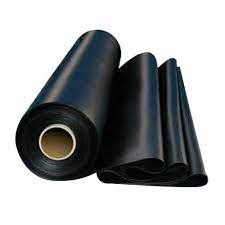 HDPE Geomembrane-Reservoir Dam projects at Telangana 62825 sq mtr
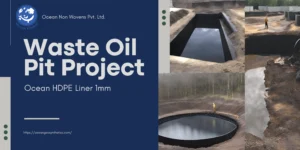 Ocean HDPE Liner 1mm in the Waste Oil Pit Project, Durgapur, West Bengal