How Long Does Non-Woven Geotextile Last?
A non-woven geotextile that is correctly specified, handled and covered will usually last as long as the structure it is built into. Buried geotextiles in roads, embankments, drains and landfills are commonly designed for a service life of more than 50 years. How long a particular installation actually lasts depends on three things: the quality of the fabric, how it is handled before and during installation, and how long it is left exposed to sunlight.
What is a non-woven geotextile?
Geotextiles are permeable fabrics made from synthetic polymers, mainly polypropylene (PP) and polyester (PET). By production method they fall into two groups: woven geotextiles and non-woven geotextiles. Non-woven geotextiles are made by needle punching staple or continuous filament fibres into a felt-like sheet, and they are the type used on most civil engineering projects.
Geotextiles perform several functions: separation, filtration, drainage, protection and, with a geomembrane, sealing. Compared with graded stone filters or concrete protection layers, they are cheaper to supply, simple to install and shorten construction time.
What affects the service life of a geotextile?
Sunlight (UV radiation). UV exposure is the main cause of early degradation. Polypropylene in particular loses strength when left uncovered, which is why geotextiles should be covered with soil, aggregate or another layer as soon as possible after laying. UV stabilisers such as carbon black improve resistance, but they delay degradation rather than prevent it.
Chemical and biological exposure. PP and PET geotextiles are generally resistant to the acids, alkalis and micro-organisms found in normal soils. Unusual conditions, such as highly alkaline environments, strong chemical leachate or high concentrations of metal ions, should be checked against the polymer’s resistance before a grade is chosen.
Mechanical damage. Tears and punctures during transport and installation create weak points that shorten the life of the whole layer. Choosing a heavier grade where the fabric sits against sharp aggregate or rock reduces this risk.
Temperature and moisture. High temperatures combined with moisture can speed up ageing, particularly for polyester in alkaline conditions. Buried geotextiles are protected from the large temperature swings that exposed fabric experiences.
How to extend the life of a geotextile
- Specify quality material. Use geotextile from a manufacturer that tests each grade for mass, thickness, tensile strength, puncture resistance and UV resistance.
- Store and transport rolls carefully. Keep rolls wrapped and off the ground, use clean transport equipment and avoid dragging rolls across rough surfaces.
- Prepare the subgrade. Remove sharp stones, roots and debris before laying so the fabric is not punctured under load.
- Cover it promptly. Limit the time the geotextile is exposed to sunlight between laying and covering.
- Allow for overlaps. Overlaps are typically 300 to 500 mm, or more on soft ground. When estimating quantities, add about 10 to 15% to the measured area for overlaps and wastage so that joints are not stretched short.
So how long does non-woven geotextile last?
When it is buried and protected from sunlight, a quality non-woven geotextile is expected to last more than 50 years, which is why it is used in long-life infrastructure such as roads, water conservation works, dams, canals and landfills. Left exposed, the same fabric may lose much of its strength within months. The difference comes down to correct specification, careful handling and covering the fabric quickly.
For help choosing the right grade for your project, see our non-woven geotextiles or contact our team.

source on Google
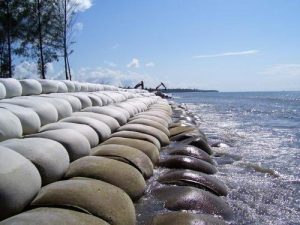 Flood Protection in Assam – Case Study
 The Benefits of Using Geocells
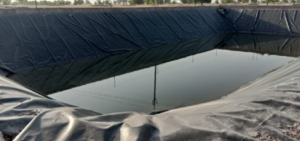 What is the Best Pond Liner to Use?