Turnkey Sports Project – Dehradun Case Study
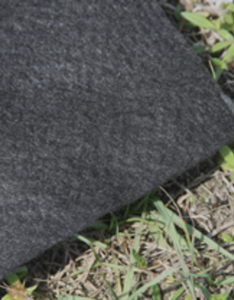
For a turnkey sports project in Dehradun, Ocean Geosynthetics supplied 8600 sqm of non-woven geotextile sheet for the base of an artificial turf playing field, where it separates the base layers from the subgrade and helps the field drain.
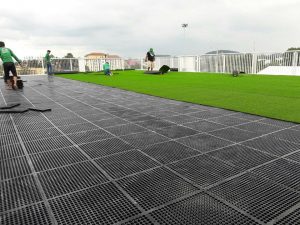
- Product: Non-Woven Geotextile Sheet
- Quantity: 8600 sqm
- Location: Dehradun
Background
Sports programmes have grown quickly over the last few decades, and existing fields are used far more than they were designed for. Overused natural grass wears out, so older stadiums have been resurfaced and new facilities built with playing surfaces that stand up to frequent use. Modern natural and artificial grass systems both depend on good drainage, so a field can be played on soon after rain. They also need the select fill kept separate from the subgrade and a stable base under the playing surface. Geotextiles and other geosynthetics meet these requirements.
Problem
A natural grass field is not always practical. Grass needs rest and time to regrow, it is vulnerable to weather and wear, and it needs water, pesticides and constant maintenance. Heavy use leaves bald patches, mud and dust, and limits how many hours the field can be played on.
Artificial (synthetic) turf has become the usual answer. It can be used for many more hours a day, needs much less water and maintenance, copes with difficult climates and gives a consistent surface.
A synthetic field is only as good as the base beneath it, because the base has to take rainwater that drains through the turf and carry it away. Poor drainage leaves standing water and lets mould, mildew and bacteria grow in the turf. Dehradun receives heavy monsoon rain, so a free-draining base matters for this field.
Solution
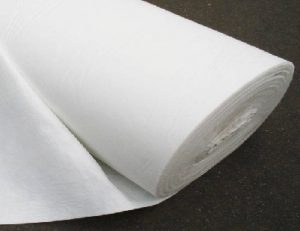
Geotextiles are standard in artificial sports field construction. Ocean Geosynthetics geotextiles are permeable fabrics made from synthetic fibres, either woven or needle-punched non-woven; this project used a non-woven sheet.
In a synthetic turf build-up, the geotextile typically sits on the prepared subgrade beneath the aggregate base. There it does three jobs:
- Separation: it stops the subgrade soil mixing into the stone base, so the base keeps its drainage capacity and stays level.
- Filtration: water drains down through the fabric while soil fines are held back, so the base and any drain pipes do not clog.
- Weed control: it limits weeds growing up from the subgrade into the base.
Fabrics for this use are generally polypropylene with UV stabilisation, so they tolerate the sunlight they are exposed to during construction. A well-drained, separated base reduces the need for herbicides and base repairs and gives the turf a firm, even foundation that is easier to install on. Where faster drainage is needed, plastic drainage cells can be laid in the base with geotextile wrapped around them.
See the drain cells range or more case studies.

source on Google
 Case Study: Landscaping Drainage Upgrade in Khorda, Odisha
 Slope Protection with Gabion Sluice Reinforcement
 Useful Tips to Install Geotextile Liner