Steel Plant Project at Sambalpur – Case Study
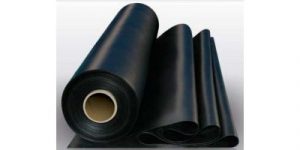 Ocean Non Wovens supplied 10080 Sqm of Ocean HDPE Liner-1500 Micron to a steel plant project at Sambalpur, Odisha. Western Odisha is one of India’s main steel-making belts, close to domestic iron ore, and plants here handle large volumes of process water, effluent and slurry that have to be contained.
As of December 31, 2020, the Sambalpur manufacturing plant consisted of an integrated steel plant with an installed metal capacity of 2.90 MTPA (including intermediate and final products).
Product – Ocean HDPE Liner-1500 Micron
Quantity – 10080 Sqm
Location – Sambalpur, Odisha
Problem
An integrated steel plant produces several liquids and wet solids that must not reach the ground: cooling and process water, effluent from treatment units, sludge from gas cleaning, and slurries from material handling. Ponds and lagoons holding these need a lining that does not leak. Seepage from an unlined or poorly lined pond wastes water, can carry metals and other contaminants into soil and groundwater, and can soften the ground under nearby structures. Leaks found after commissioning are expensive to trace and repair, and repairs often mean taking the pond out of service.
Solution
An HDPE liner of 1500 micron (1.5 mm) is the usual choice for industrial containment of this kind. High-density polyethylene is effectively impermeable to liquids, resists the acids, alkalis and salts found in industrial effluent, and contains carbon black for UV resistance on exposed side slopes. The 1.5 mm thickness gives more puncture resistance and a longer service life than the thinner grades used for farm ponds. The widely used material specification for HDPE geomembranes is GRI-GM13, which sets minimum values for density, tensile properties, tear and puncture resistance and long-term durability.
A liner like this is typically installed in four steps:
- Subgrade preparation: the pond floor and slopes are trimmed, compacted and cleared of stones and roots. A non woven geotextile is often laid first as a cushion where the subgrade is coarse.
- Deployment and welding: the rolls are unrolled down the slopes and adjacent panels are joined by dual-track hot wedge welding, with extrusion welding for patches and pipe penetrations.
- Seam testing: dual-track seams are air-pressure tested and extrusion welds are vacuum-box tested, with sample welds tested for strength.
- Anchoring: the liner edges are buried in an anchor trench around the crest of the pond.
A welded, tested HDPE lining gives the plant a continuous barrier that keeps process liquids in the pond, protects soil and groundwater, and needs little maintenance beyond inspection of exposed areas. Ocean Non Wovens supplies HDPE liners for industrial, oil and gas, mining and water storage projects across India; see more on our case studies page.

source on Google
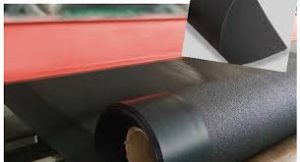 Best Geomembrane Sellers in North East India
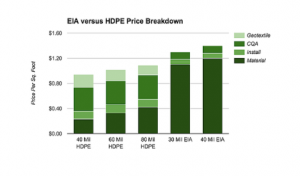 Geomembrane Cost Per Square Foot
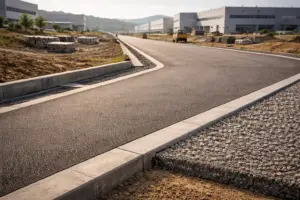 Reliance Project, Jabalpur (Madhya Pradesh): Application of Non Woven Geotextiles for Ground Stabilisation and Drainage Performance