LDPE Liner Application in Building Construction
Siwan, Bihar
Project Overview
Project Name: Building Construction Project
Location: Siwan, Bihar
Product Used: Ocean LDPE Liner – 125 Micron
Quantity: 22,145 Kg
Table of Contents
Introduction
In modern construction practices, subgrade protection, moisture control, and soil interaction management play a defining role in determining the durability and service life of structures. While reinforced cement concrete (RCC) provides structural strength, it remains highly vulnerable to moisture ingress, capillary rise, and subsoil contamination, especially in regions dominated by alluvial soil conditions such as Siwan, Bihar.
For this project, Ocean LDPE Liner (125 Micron) was strategically deployed as a geomembrane barrier layer beneath foundational and flooring elements. The objective was to create an effective vapor barrier system, prevent water migration from subgrade layers, and ensure long-term performance of the structure.
Engineering Role of LDPE Liners in Building Construction
LDPE (Low-Density Polyethylene) liners are widely used in the geosynthetics industry due to their flexibility, chemical resistance, and impermeability. In building construction, they function as a critical separation and barrier layer within the geotechnical system.
Key Functional Applications
- Vapor Barrier Systems: Prevent upward moisture movement from soil into concrete slabs
- Subgrade Separation Layer: Avoid mixing of soil and construction layers
- Waterproofing Support Layer: Enhance performance of concrete and flooring systems
- Temporary Containment: Used in curing zones and protection layers
LDPE geomembranes are particularly effective in low-load applications, where flexibility and ease of installation are essential.
According to the American Concrete Institute (ACI), moisture-related deterioration contributes to nearly 70% of durability issues in concrete structures, including cracking, corrosion of reinforcement, and surface degradation.
Source: ACI, Guide to Durable Concrete
Geosynthetics in Broader Infrastructure Context
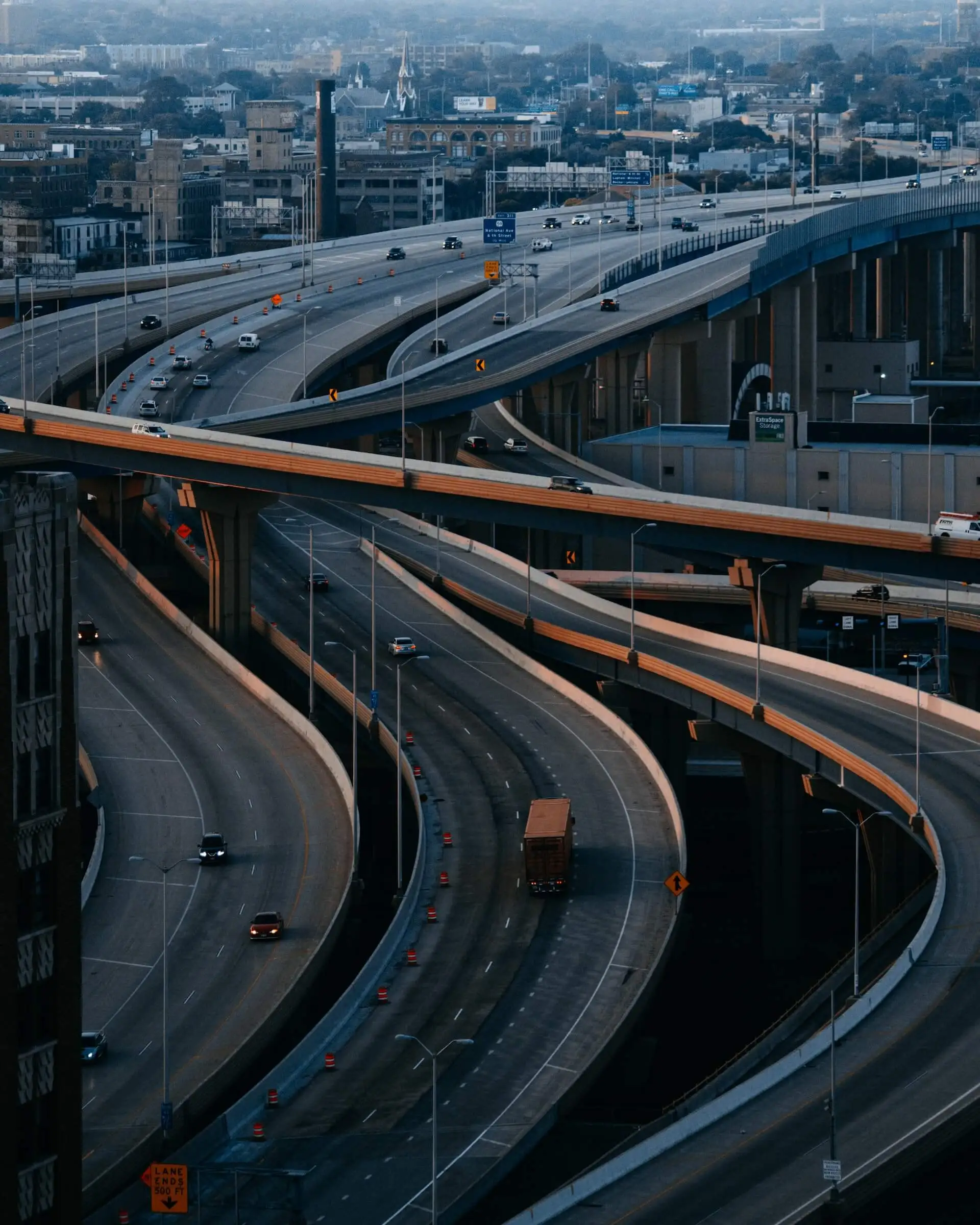
The use of geomembranes, geotextiles, geocomposites, and geogrids has transformed modern civil engineering practices. LDPE liners, although lightweight, play a foundational role in integrated geosynthetic systems.
Key Applications Across Infrastructure
1. Soil Stabilization
Geosynthetics act as separation layers, improving load distribution and preventing subgrade failure, especially in weak soils.
2. Pavement Engineering
In road construction, geotextiles and geomembranes help reduce rutting, cracking, and water infiltration, extending pavement life by up to 30–40%.
Source: Indian Roads Congress (IRC SP:59)
3. Drainage Systems
Geocomposites and drainage layers improve subsurface water flow, reducing hydrostatic pressure beneath structures.
4. Erosion Control
Geotextiles and geomats are widely used for slope stabilization and soil retention, particularly in monsoon-prone regions.
5. Environmental Protection
Geomembranes such as LDPE and HDPE are used in landfills, containment ponds, and wastewater systems to prevent soil and groundwater contamination.
Site-Specific Challenges in Siwan, Bihar
The geotechnical conditions in Siwan present several challenges that directly impact construction performance:
1. Alluvial Soil Composition
The region is dominated by fine-grained alluvial soils, which exhibit:
- High moisture retention capacity
- Low shear strength
- Susceptibility to settlement
2. Capillary Rise and Groundwater Movement
Capillary action in such soils can lead to continuous upward migration of water, causing:
- Dampness in floors
- Reduction in concrete durability
- Increased risk of reinforcement corrosion
3. Seasonal and Monsoon Impact
Heavy rainfall results in:
- Increased subgrade saturation
- Temporary waterlogging
- Reduced bearing capacity
The installation of LDPE liner acts as a capillary break layer, effectively stopping moisture migration and protecting structural components.
Installation Methodology and Quality Control Measures
The performance of a geomembrane system depends heavily on installation practices and quality assurance protocols, which are often overlooked in smaller-scale projects.
Subgrade Preparation
- Removal of sharp objects, debris, and organic matter
- Proper grading and compaction
- Achieving a smooth and uniform surface
Liner Placement
- Careful unrolling to avoid wrinkles and folds
- Maintaining alignment across the entire area
- Ensuring adequate overlap between sheets
Jointing and Seaming
- Overlaps must be properly sealed to prevent seepage paths
- Adhesive bonding or heat sealing methods are used depending on site conditions
Protection During Construction
- Avoiding damage from reinforcement bars and construction equipment
- Use of protective layers where required
Even minor installation errors, such as improper overlaps or punctures, can compromise the entire barrier system, highlighting the importance of strict quality control.
Long-Term Performance and Durability Considerations
Although LDPE liners are thinner compared to HDPE geomembranes, their performance is highly effective when used in the right application.
Key Performance Factors
- Impermeability: Prevents water penetration into structural layers
- Flexibility: Adapts to minor subgrade movements without cracking
- Chemical Resistance: Protects against mild soil contaminants
- Thermal Stability: Maintains performance under moderate temperature variations
Durability Insights
When protected from UV exposure and mechanical damage, LDPE liners can perform effectively for extended periods within subgrade systems.
Maintenance and Lifecycle Benefits
The inclusion of LDPE geomembranes significantly reduces long-term maintenance requirements.
Key Benefits
- Prevention of dampness and moisture-related defects
- Reduced repair costs for flooring and foundation systems
- Improved indoor environmental quality
- Enhanced structural lifespan
Lifecycle cost analysis in construction projects shows that early-stage moisture protection systems can reduce maintenance costs by 20–35% over a building’s lifespan.
Conclusion
The Building Construction Project in Siwan demonstrates the importance of integrating geosynthetics such as LDPE liners into foundational design. While often considered a minor component, the liner plays a critical role in moisture control, subgrade protection, and long-term structural durability. In regions with challenging soil conditions and high moisture levels, such solutions are not optional but essential.
Final Note
Ocean Non Wovens continues to deliver technically sound and performance-driven geosynthetic solutions across India. With expertise in geomembranes, geotextiles, and advanced geosynthetic systems, the company ensures precise material selection, consistent product quality, and reliable project support. From building construction to large-scale infrastructure, Ocean Non Wovens stands as a trusted partner for delivering durable, efficient, and cost-effective geosynthetics solutions tailored to Indian site conditions.
 Case Study: Reservoir Project in Ramgarh, Jharkhand
  How to Choose the Right Walls Retaining Walls
 Application of Geosynthetics in Dams