Landslide Prevention Project in Wayanad, Kerala, with Rockfall Barriers
Wayanad, in the Western Ghats of northern Kerala, has steep slopes, deep weathered soils and some of the heaviest monsoon rain in the state. Rockfalls and landslides are a recurring hazard to people, roads and buildings. On this project, Ocean Non Wovens installed its Rockfall Barrier system across multiple high-risk zones in Wayanad, together with biodegradable geotextiles to help vegetation re-establish on the slopes.
The terrain and the brief
Wayanad’s terrain combines steep slopes, loose soil and heavy rainfall, which together make slopes prone to failure. The brief was a system that would stop rockfalls reaching the areas below without heavy disturbance to the natural landscape. Conventional retaining walls were considered but judged unsuitable, given how the terrain moves and the volume of water that flows down these slopes in the monsoon.
Products used in slope protection
Flexible systems suit this kind of hillside because they can be installed on steep ground with light equipment, adapted to the slope, and built with less excavation than rigid structures. The main components are:
- Rockfall barriers: nets or meshes of high-tensile steel wire rope, supported on posts and anchored into the slope, that catch falling rocks before they reach roads, railways or buildings. Energy-dissipating devices in the support ropes absorb the impact. Flexible barriers are rated by the impact energy they can absorb (in kJ), commonly tested to the European guideline ETAG 027 and its successor EAD 340059-00-0106. A barrier controls rockfall; it does not stop a deep-seated landslide, which needs drainage and slope stabilisation.
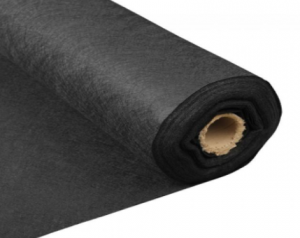
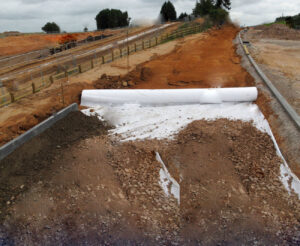
- Geotextiles: permeable fabrics laid on the slope surface that let water through while holding soil particles, limiting surface erosion.
- Geogrids: high-tensile polymer grids used to reinforce soil and add stability to slopes and fills.
Project execution in Wayanad
- Site assessment and design: the team assessed the slopes to identify the most vulnerable areas and designed the Rockfall Barrier layout around them. A rockfall assessment of this kind typically looks at likely block sizes, source zones and the paths and bounce heights of falling rock, which set the barrier’s energy rating, height and position.
- Installation: the barriers were fixed with specialised anchors drilled into the rock, keeping disturbance to the surroundings low. Installation was completed ahead of schedule, before the onset of the monsoon season.
- Monitoring and maintenance: the barriers were monitored after installation and regular maintenance checks were scheduled. Barriers need inspection after major events: accumulated debris must be cleared, and any braking elements or net panels that have taken a significant impact must be replaced.
Vegetation and community work
Alongside the barriers, the project used biodegradable geotextiles on the slopes. These hold the surface soil while grass and plants establish; as the fabric breaks down, the roots take over the job of binding the soil. Combining mechanical protection with this kind of biological stabilisation (bioengineering) is a well-established approach on erosion-prone hill slopes.
Before installation, Ocean ran awareness programmes for local communities explaining what the Rockfall Barrier system does and how it protects lives and property, which helped build support and kept residents informed about the hazard.
Ocean Non Wovens manufactures and supplies rockfall protection, geotextiles, geogrids and other geosynthetics for slope protection. For a similar project, see rockfall barriers for landslide prevention in Uttarakhand, or contact the team to discuss your site.

source on Google
 Non-Woven Geotextile Drainage Fabric | Sizes, Specs, Prices
 Uses of Geotextile bags
 Case Study: Ocean Non Wovens’ Contribution to the iPhone Factory Construction in Bengaluru