Application of Geosynthetics in Dams
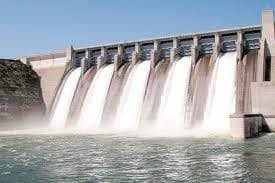
Geosynthetics are now standard materials in civil, geotechnical and environmental engineering, and their use in India keeps growing. This post looks at where they are used in dams.
What makes Geosynthetics so popular?
Engineers choose geosynthetics mainly for durability, lower material and maintenance costs, and shorter construction time. Polymer geosynthetics are chemically inert in most soils and water, and natural ones such as jute and coir are biodegradable.
A roll of geotextile or geomembrane replaces many truckloads of graded sand, gravel or clay, so transport and the associated emissions fall. UV-stabilised grades tolerate long sun exposure and repeated wetting and drying, which is why the same materials appear in roads, canals, landfills and dams.
Application of Geosynthetics in Dams
Dams are structures built across streams and rivers to hold back and control the flow of water. They prevent floods and store water for irrigation, industry, aquaculture and drinking supply, and many also generate hydropower.
A dam also puts the area downstream at risk. Good design, construction quality and monitoring reduce that risk but cannot remove it: structural defects, seepage, overtopping, earthquakes and human error can all lead to failure, and a failure releases a flood wave that can destroy communities, property, livestock and infrastructure downstream.
Geosynthetics are polymer or natural-fibre products that change and improve how soil and rock behave. They are made from polypropylene, polyester, HDPE, PVC, jute, coir or synthetic rubber. Geotextiles were first used in the late 1950s, when R. J. Barrett used woven fabrics beneath large stone riprap and behind precast concrete seawalls in Florida.
In the water sector they are now among the most widely used materials in dam construction and rehabilitation, with each product type doing a different job.
The main functions of geosynthetics are drainage, separation, filtration, reinforcement and, for geomembranes, acting as a barrier to water. In a dam they are used:
- As filters in fill dams:
- Downstream slope protection
- Downstream surface drains to control seepage
- Upstream slope protection
- Temporary internal drainage to dissipate excess pore pressure during wet fill construction
- As a separator/filter under riprap for improved erosion protection
- For waterproofing rockfill dams (geomembrane facings)
- For raising embankments
- In rehabilitation of dams with waterproofing and seepage problems
- For crack control in dam cores
Geotextiles are used as filters and wrapped drains, often in place of graded sand-gravel filters. Geomembranes form the impervious facing of rockfill dams and are used to waterproof the upstream face when concrete and masonry dams are rehabilitated. Geocomposites serve as drains behind geomembrane facings and in chimney and shaft drains. Geogrids reinforce embankment raises and help control transverse cracking in earth dam cores.
Contact Ocean Geosynthetics to discuss the geotextiles, geomembranes and geogrids your dam or embankment project needs.

source on Google
 How do retaining walls prevent landslides?
 Reservoir Project Success: Using HDPE Liner and Geotextiles by Ocean Non Wovens
 The Ultimate Guide to Geosynthetics in Infrastructure Projects in India