The Ultimate Guide to Geosynthetics in Infrastructure Projects in India
Introduction
India’s infrastructure sector is expanding at an unprecedented pace. Large-scale projects such as highways, railways, industrial corridors, smart cities, and water management systems require engineering solutions that can improve soil performance, control water flow, prevent erosion, and enhance structural durability.
Traditional construction methods alone are often insufficient to address the complex challenges posed by weak soils, heavy rainfall, environmental protection requirements, and increasing traffic loads. This is where geosynthetics have emerged as a transformative technology in modern civil engineering.
Geosynthetics are engineered polymeric materials designed to improve soil behavior and enhance the performance of infrastructure systems. These materials include geomembranes, geotextiles, geocells, geocomposites, and cementitious composite mats.
According to the International Geosynthetics Society, the use of geosynthetics can significantly improve infrastructure longevity while reducing construction costs and environmental impact.
This guide explores the role of geosynthetics in infrastructure development, their applications, benefits, installation considerations, and their growing importance in India’s engineering landscape.
Table of Contents
Understanding Geosynthetics
Geosynthetics are synthetic materials used in contact with soil or rock in civil engineering projects. These materials perform functions such as reinforcement, separation, filtration, drainage, and containment.
They are typically manufactured from polymers such as:
- Polyethylene (HDPE)
- Polypropylene (PP)
- Polyester (PET)
Because of their durability and chemical resistance, these materials perform reliably even in harsh environmental conditions.
The five primary functions of geosynthetics are:
By combining these functions, engineers can significantly improve infrastructure stability and durability.
Types of Geosynthetics Used in Infrastructure
HDPE Geomembranes
HDPE geomembranes are impermeable liners used for containment and waterproofing applications. They provide an effective barrier against water and chemical seepage.
Common applications include:
- Industrial wastewater ponds
- Reservoirs and canals
- Landfills
- Mining containment systems
- Agricultural water storage
HDPE liners are known for their extremely low permeability and excellent chemical resistance.
Research published by the U.S. Environmental Protection Agency highlights geomembranes as one of the most reliable containment systems for environmental protection.
Geotextiles
Geotextiles are permeable fabrics used to improve soil performance and drainage.
They are commonly categorized into:
- Non woven geotextiles
- Woven geotextiles
Non woven geotextiles are widely used in filtration and drainage applications, while woven geotextiles are often used for reinforcement.
Applications include:
- Road construction
- Railway track stabilization
- Drainage systems
- Coastal protection
- Erosion control
According to the Indian Roads Congress (IRC SP 59), geotextiles can significantly improve pavement performance by preventing the mixing of subgrade soil with aggregates.
Geocells
Geocells are three-dimensional honeycomb structures made from HDPE strips. When filled with soil or aggregate, they create a stable confinement system that distributes loads over a wider area.
Geocells are commonly used for:
- Road base stabilization
- Industrial yard reinforcement
- Slope stabilization
- Railway embankments
- Retaining walls
Studies conducted by the Federal Highway Administration (FHWA) demonstrate that geocells can increase the load-bearing capacity of weak soils by up to 50 percent.
Drainage Geocomposites
Drainage geocomposites combine geotextile layers with drainage cores to facilitate efficient water movement.
These materials are used in:
- Highway drainage systems
- Retaining walls
- Landfill leachate collection
- Subsurface drainage layers
Effective drainage reduces hydrostatic pressure and prevents water-related damage to infrastructure systems.
Geosynthetic Cementitious Composite Mats (GCCM)
GCCM technology combines cement powder with geosynthetic fabrics to create a flexible material that hardens when hydrated.
Once activated, the mat forms a durable concrete layer.
Applications include:
- Canal lining
- Slope protection
- Drainage channel lining
- Mining infrastructure
- Railway drainage systems
GCCM offers faster installation compared to traditional concrete systems and requires minimal formwork.
Applications of Geosynthetics in Infrastructure
Road and Highway Construction
Geosynthetics play a critical role in road construction by improving subgrade stability and preventing pavement failure.
Applications include:
- Subgrade stabilization
- Pavement reinforcement
- Drainage layers
- Erosion control on embankments
The use of geotextiles and geogrids in road construction has been shown to extend pavement life by reducing rutting and deformation.
Railway Infrastructure
Railway infrastructure requires highly stable foundations to withstand continuous vibrations and heavy loads.
Geosynthetics are used in railway systems for:
- Trackbed stabilization
- Ballast reinforcement
- Drainage systems
- Slope protection
These materials help prevent track settlement and improve long-term performance.
Industrial Infrastructure
Industrial zones and logistics parks require stable ground conditions capable of supporting heavy equipment and truck traffic.
Geosynthetics help improve soil strength and load distribution in these environments.
Typical applications include:
- Industrial yard stabilization
- Warehouse foundations
- Drainage systems
- Containment structures
Water Management Systems
Water infrastructure projects frequently rely on geosynthetics for seepage control and erosion protection.
Applications include:
- Canal lining
- Reservoir waterproofing
- Stormwater channels
- Irrigation systems
Lined canals can significantly reduce water loss due to seepage.
The Food and Agriculture Organization (FAO) reports that canal lining can reduce water losses by up to 50 percent.
Environmental Protection
Environmental regulations require infrastructure systems to prevent contamination of soil and groundwater.
Geosynthetics provide effective containment solutions for:
- Landfills
- Wastewater treatment plants
- Mining waste storage
- Industrial containment systems
Geomembranes are particularly important for preventing the migration of hazardous liquids.
Challenges in Indian Infrastructure Projects
Infrastructure projects in India often encounter several site-specific challenges.
Weak and Variable Soil Conditions
Many regions in India have soft clay, silt, or alluvial soils that lack adequate load-bearing capacity.
Geosynthetics improve soil stability and distribute loads more efficiently.
Monsoon Rainfall
Seasonal monsoon rainfall can cause severe erosion and water infiltration.
Drainage geocomposites and erosion control mats help protect infrastructure from water damage.
Construction Time Constraints
Large infrastructure projects often operate under strict deadlines.
Geosynthetics offer faster installation compared with traditional construction methods.
Installation Considerations
Proper installation is essential to ensure the effectiveness of geosynthetic materials.
Important factors include:
- Subgrade preparation
- Material handling and storage
- Proper anchoring and overlaps
- Quality control inspections
For geomembranes, welding quality and seam testing are critical to prevent leakage.
For geotextiles and geocells, proper compaction and placement are essential to achieve optimal performance.
Long-Term Performance and Durability
One of the major advantages of geosynthetics is their durability.
These materials are designed to withstand:
- Chemical exposure
- UV radiation
- Biological degradation
- Mechanical stress
Studies indicate that many geosynthetic systems can remain functional for several decades when installed correctly.
Lifecycle Cost Benefits
Although geosynthetics add to the initial construction cost, they often reduce long-term maintenance expenses.
Key lifecycle benefits include:
- Reduced infrastructure repair costs
- Improved structural durability
- Lower maintenance requirements
- Longer service life
These advantages make geosynthetics a cost-effective solution for infrastructure development.
Future of Geosynthetics in India
India’s infrastructure development plans are expected to drive significant demand for geosynthetic materials.
Government initiatives such as:
- National Infrastructure Pipeline
- Smart Cities Mission
- Highway expansion programs
- Railway modernization projects
are increasing the adoption of geosynthetics in engineering design.
As infrastructure standards continue to evolve, geosynthetics will play an increasingly important role in improving sustainability and resilience.
Conclusion
Geosynthetics have transformed modern infrastructure engineering by providing reliable solutions for soil stabilization, drainage management, erosion control, and environmental protection. Their ability to improve structural performance while reducing lifecycle costs makes them an essential component of contemporary infrastructure projects.
Ocean Non Wovens is committed to supporting India’s infrastructure development by manufacturing and supplying high-quality geosynthetic materials designed to meet the demanding requirements of civil engineering applications. With strong industry expertise, advanced manufacturing capabilities, and a proven track record of supporting complex projects across the country, Ocean Non Wovens continues to be a trusted partner for contractors, engineers, and infrastructure developers seeking dependable geosynthetic solutions.
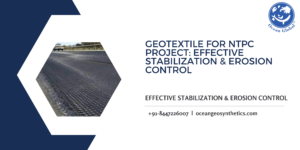 Geotextile Fabric for NTPC Project: Effective Stabilization & Erosion Control
 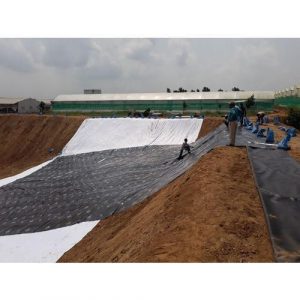 What is Geomembrane lining?
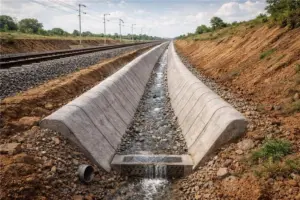 Railway Drainage and Erosion Protection Using GCCM in Wardha, Maharashtra